



疫苗.png)
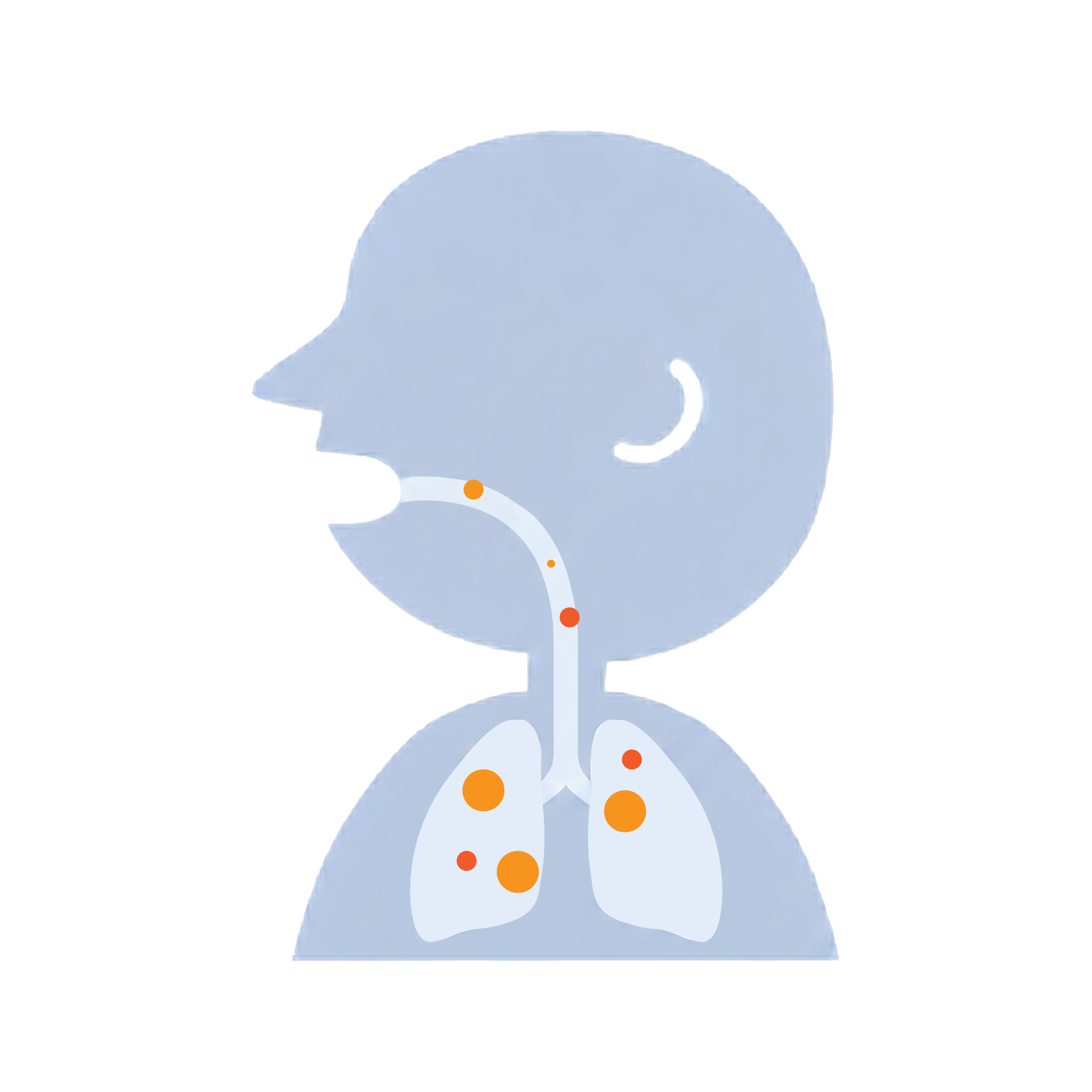

Respiratory Syncytial Virus (RSV) is a very common and highly contagious virus. It is the leading cause of severe respiratory infections, such as pneumonia and bronchiolitis, in infants and young children. In fact, nearly all children will have been infected with RSV at least once by the age of two.
While most children experience mild, cold-like symptoms, RSV can lead to serious lower respiratory tract infections in infants under two years old. This can result in breathing difficulties (wheezing), poor feeding, and dehydration. In Hong Kong, RSV infections occur year-round, with peak seasons typically from spring to summer. Some children may also face long-term issues after recovery, such as recurrent wheezing or an increased risk of asthma.
How Does RSV Spread?
The virus spreads easily through:
- Droplets (Major): Contact with respiratory secretions when an infected person coughs, sneezes, or talks.
- Direct Contact: Close contact, such as kissing an infant’s face or hands.
- Contaminated Surfaces: Touching objects (e.g., toys, bottles, doorknobs) where the virus can live for several hours, then touching the eyes, nose, or mouth.
The incubation period (the time from exposure to showing symptoms) is usually 2 to 8 days, most commonly 4 to 6 days.
Prevention and Care
There is currently no specific antiviral treatment for RSV. Doctors primarily provide supportive care, such as managing fever, ensuring hydration, or providing oxygen therapy for breathing difficulties. Therefore, prevention is essential.
In addition to maintaining good hygiene—such as frequent handwashing and regular cleaning of toys—new preventive technology is now available in Hong Kong. For infants, a Long-acting Monoclonal Antibody (e.g., Beyfortus) is available. Unlike the traditional vaccine, this provides “ready-made” antibodies directly to the baby, significantly reducing the risk of severe illness and hospitalization in the first 2 years of life. Pregnant mothers may also get the RSV vaccine around 34 weeks to produce antibodies to protect their newborns in the first 6 months of life.