



疫苗.png)
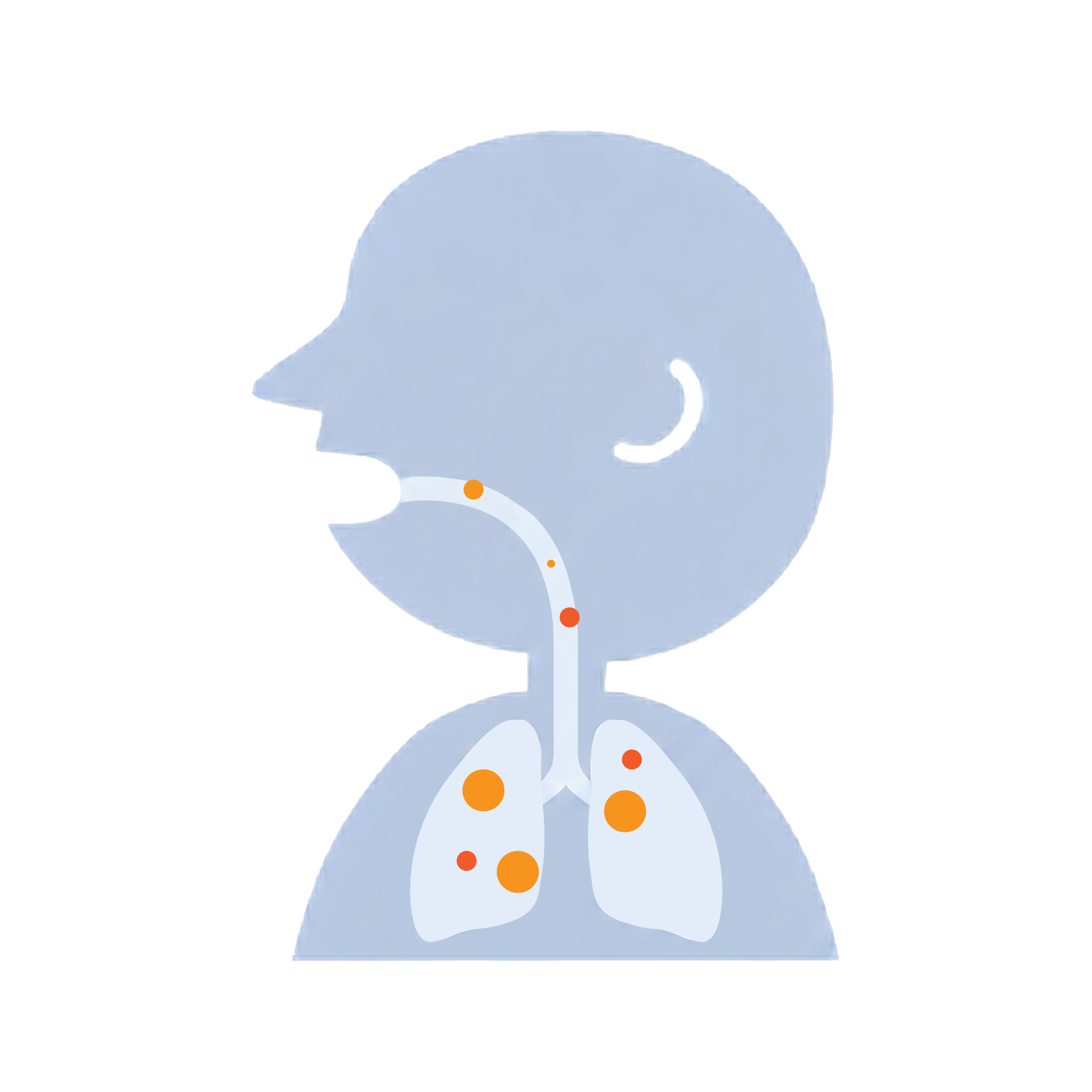

Pneumococcus (Streptococcus pneumoniae) is a bacterium that causes a wide range of respiratory and generalized infections in children. It includes acute otitis media (middle ear infection), bronchitis, pneumonia (chest infection), invasive pneumococcal diseases (IPD) such as septicaemia (bacteria in the bloodstream) and meningitis (infection of brain membranes), which may be severe and life-threatening. In Hong Kong, the incidence of IPD ranges from 0.34 to 2.54 per 100,000 population from 2018 to 2022. IPD is more commonly found in young children and elderly (65 years or above). The bacteria can colonize in the nose and throat in children and the disease spreads mainly through respiratory droplets.
Young children, the elderlies, immunocompromised patients, patients with cochlear implants, patients with chronic illness (e.g., Diabetes Mellitus), and a past history of IPD are considered as high-risk groups.
The disease can be treated with antibiotics. However, there is emergence of drug-resistant strains which have made the disease more difficult to treat. Pneumococcal pneumonia is also recognized as an important co-infection of Influenza. The pneumococcal vaccines are effective against pneumococcal infections.
Effective pneumococcal vaccines are available to prevent infections from this bacterium.